Weather Forecasting Models Used
What Is The Best Weather Forecast Model The Weather Guys
Weather Forecasting Models Encyclopedie De L Environnement

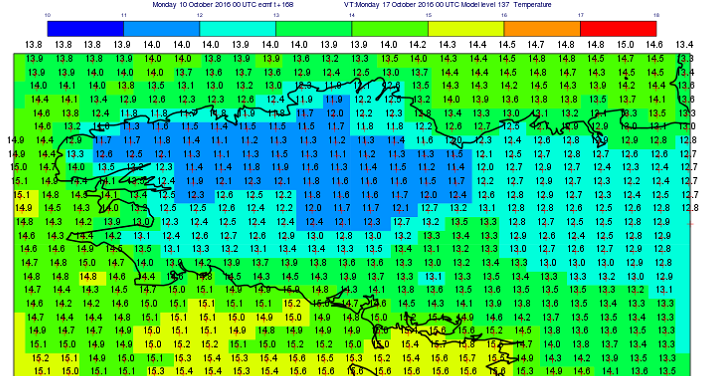
Atmo336 Fall 2016

Seriously Behind U S Near The Bottom In Weather Forecast Computer Power Guest Post By Cliff Mass Dan S Wild Wild Science Journal Agu Blogosphere

Harmonie Numerical Weather Prediction Model Articles Icelandic Meteorological Office

Advances In Numerical Weather Prediction
Weather forecast models are a guide to the future but forecast models are only one part of a weather forecasters toolkit.
Weather forecasting models used. In a sense weather forecasting is still carried out in basically the same way as it was by the earliest humans namely by making observations and predicting changes. The modern tools used to measure temperature pressure wind and humidity in the 21st century would certainly amaze them and the results obviously are better. To create a prediction forecasters use a combination of models experience in understanding the model s biases and knowledge of the fundamentals of meteorology. In 650 bce the babylonians predicted the weather from cloud patterns as well as astrology in about 350 bce aristotle described weather patterns in meteorologica.
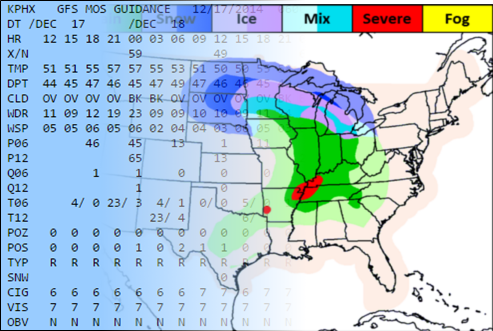
Global forecast system gfs the gfs model is a coupled weather forecast model composed of four. A number of global and regional forecast models are run in different countries. Yet even the most sophisticated numerically calculated forecast. Gefs is a global coverage weather forecast model made up of 21 separate forecasts or ensemble members used to quantify the amount of uncertainty in a forecast.
Chinese weather prediction lore extends at least as far back as 300. National weather service runs their weather models on supercomputers that perform 5 78 quadrillion operations per second while canada s newest weather forecasting. This global model was developed and tested by the australian government s bureau of meteorology based on the uk met office s unified model which is a weather prediction and climate modelling software developed by the met office and used by many forecasting agencies around the world. Later theophrastus compiled a book on weather forecasting called the book of signs.
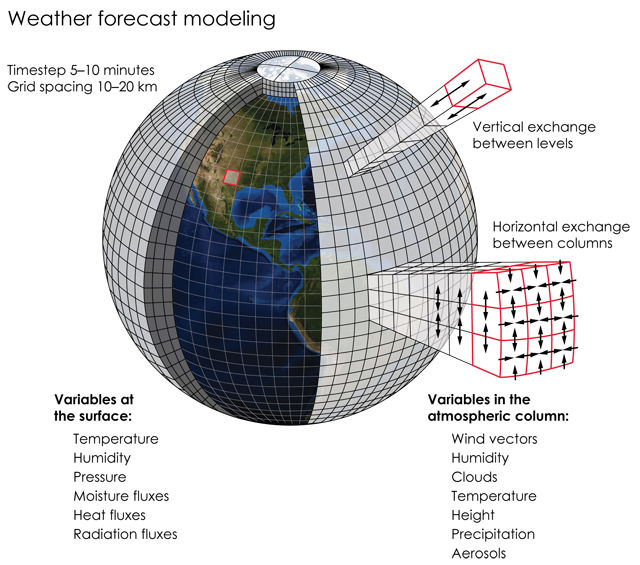
Gefs produces output four times a day with weather forecasts going out to 16 days. Though first attempted in the 1920s it was not until the advent of computer simulation in the 1950s that numerical weather predictions produced realistic results. If the current conditions of the atmosphere are known these physical laws may be used to forecast the future weather. As of 2016 the u s.
The two most well known weather models are the european center for medium range weather forecast ecmwf model and the national weather service s global forecast system gfs model. These procedures have been made possible because of advance ment in the formulation of mathematical models.