Snake Plant Roots Red

Snake Plant Black Jack Buy Snake Plant Online Root Bridges
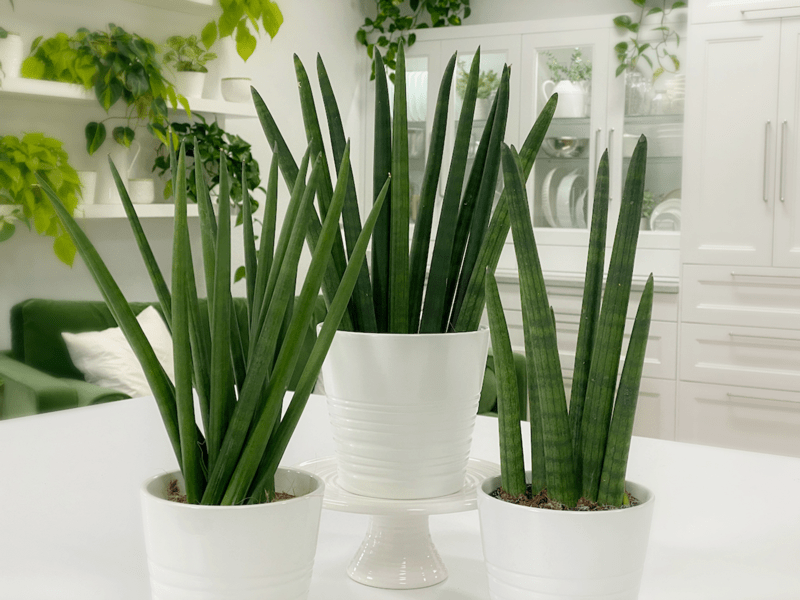
Snake Plant Sansevieria Cylindrica Care Difficulty Easy Amiesue Com
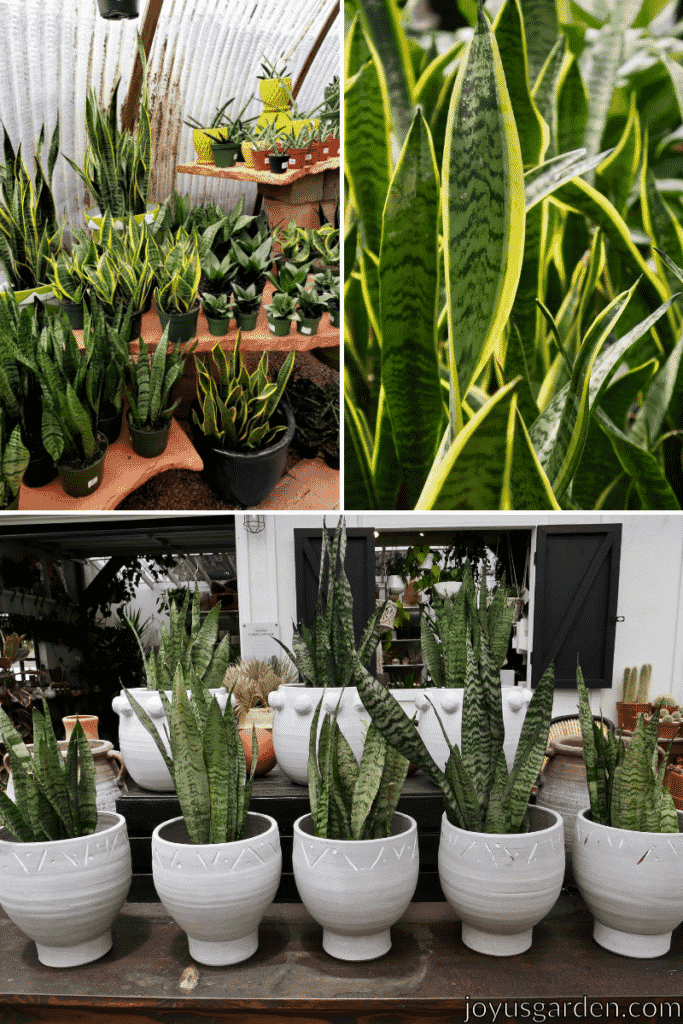
Snake Plant Care How To Grow This Diehard Houseplant
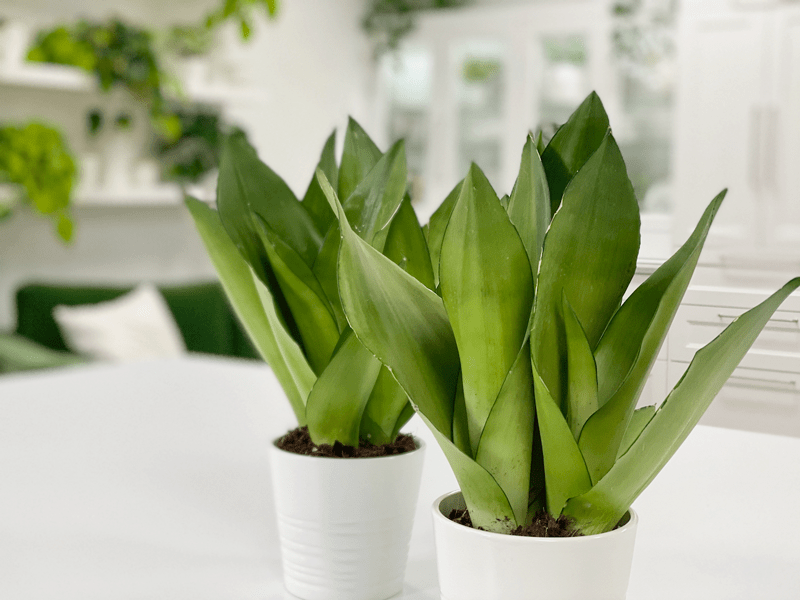
Snake Plant Sansevieria Moonshine Care Difficulty Easy Amiesue Com

Amazon Com 6 Different Snake Plants In 4 Pots Sansevieria Live Plant Free Care Guide Garden Outdoor In 2020 Plants Snake Plant Live Plants

How To Care For And Grow Your Snake Plant La Residence Plant Care Tips And More
A little bit goes a long way here.
Snake plant roots red. Root cuttings in soil by placing a leaf that you have removed directly in soil. Sansevieria trifasciata a type of snake plant native of tropical africa yields a strong plant fiber and was once used to make bow strings. Trimming off the damaged ends. If you see dark or mushy spots on the roots those have developed rot.
Snake plants mainly lack roots because they were damaged by overwatering or because of a fungus that has attacked and decimated the roots beneath the soil. The roots then die back due to lack of oxygen or the overgrowth of a soil fungus. This looks like root rot a common problem with sanseviera the snake plant. Remove the plant from its prior pot being careful not to damage the root ball.
Snake plants along with spider plants and peace lilies are reportedly very effective at cleaning the air removing toxins such as formaldehyde however further studies are needed to determine the true extent of these plants air purifying capabilities. The most commonly seen problem with snake plants is root rot caused by overwatering especially in the winter months. Soggy soils encourage the growth and multiplication of pythium phytophthora rhizoctonia or fusarium fungi which spreads into the roots. The best thing to do now is to cut off the damaged portion of the leaf and try again.
This can be deadly for the plant and once again shows the importance of a properly sized pot for your snake plant. Growing a snake plant in well drained gritty sandy. Snake plant or mother in law s tongue is an extremely hardy plant. Snake plant propagation in soil.
You can easily divide a snake plant in half. This plant can grow several feet tall and does well in low light areas. Underground stems can grow into new snake plants with the right conditions. Water logged soil can result in rotting roots and the decline of the plant.
Compost tends to hold moisture which may create a risk for the snake plant s root ball. Once it s free examine the roots. The snake plants roots will be too small to reach all corners of the pot and eventually the water across the pot will build up and cause root rot within the plant. Luckily you can regrow the snake plant through propagation by doing the following.
Jacki cammidge certified horticulturist unfortunately if you ve overwatered the plant at some point it won t help to stop watering it now.
