Snake Plant Root Rot Signs
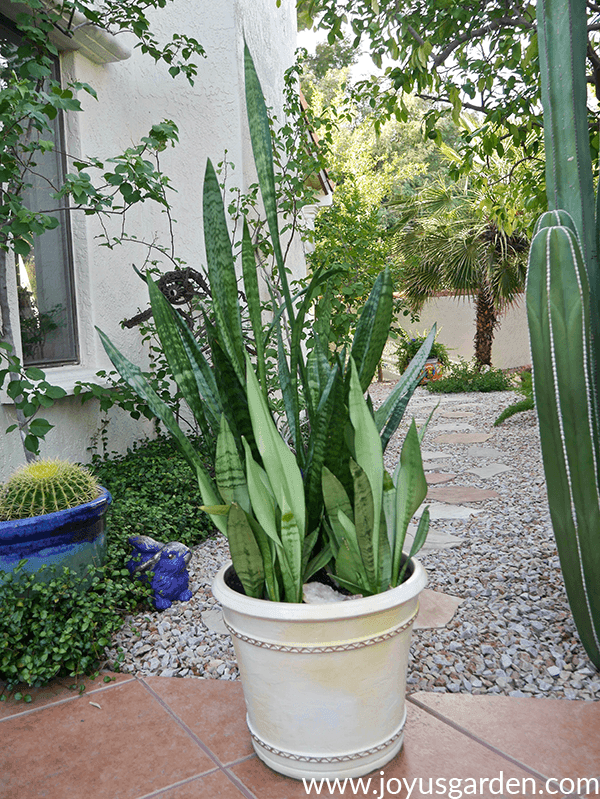
Why Are My Snake Plant Leaves Falling Over Joy Us Garden

How To Fix Root Rot In Plants Tips To Identify Prevent And Treat The Practical Planter

Snake Plant Sansevieria Cylindrica Care Difficulty Easy Amiesue Com

Snake Plant Sansevieria Moonshine Care Difficulty Easy Amiesue Com

Pin By Celia Mattingly On Houseplant Festival In 2020 Indoor Plant Care Plant Care Plants

How To Care For And Grow Your Snake Plant La Residence Plant Care Tips And More
Do not water too frequently.
Snake plant root rot signs. Overwatering and root rot. There are many other factors that go into a healthy snake plant but i m going to focus on good ol root rot and how to try and save as much of the plant as possible. One of the most common problems encountered with snake plants and other succulents is overwatering. Signs of root rot in garden plants include stunting wilting and discolored leaves.
If you suspect your snake plant may have developed a case of root rot there are a few ways to confirm. Visible on the roots first causing them to turn brown and mushy classic signs of rot. As root rot progresses leaves turn yellow wilt or droop and then become mushy as well. These plants do not tolerate soggy soil well.
After treating root rot in the plant repot the plant in clean potting mix. Plants with root rot can t absorb moisture and nourishment from the soil properly. However it s easy to remedy. Prevention is the best option because root rot is hard to treat.
The plants often resemble those suffering from drought and stress and mineral deficiencies. If you see mushy and dark spots on the roots it means the rot has already developed. Snake plants are oh so particular when water is involved which makes it susceptible to root rot as previously mentioned in the above section. You ll have to take your snake plant out of its pot or container so you can see the roots.
Most succulents need less watering than your typical houseplant and the snake plant is no exception normally thriving in hot dry areas of the west african tropics. Snake plant is a succulent which means its rubbery thick leaves hold moisture exceptionally well. When they get really droopy as mine did trying to tell me it wasn t happy it will almost always mean too much water. While regrowing its roots do not fertilize the plant as this may stress it.
Check for mushiness and brownness. They tend to develop root rot. Once the fungus is established and the damage done you won t be able to save the plant. Yellowing in the leaves is a direct sign of root rotting.
Once symptoms are visible in the leaves the problem may be past the point of rectifying endangering the entire plant. If you find large bulgy roots wrapping around the entire root ball you can cut them off. Make sure the container has good drainage and only water the plant when the top of the soil is dry. Be forewarned that a severe case of root rot cannot be fixed.
Use a clean knife or shears to simply trim off the rotten portions. When it comes to identifying root rot look at the plants. As snake plants are prone to root rot look for the signs of rotting.
