Sad Tasmanian Devil Cancer

The Tasmanian Devil Transmittable Cancer Epidemic Conservationcorner

Pin On Animals
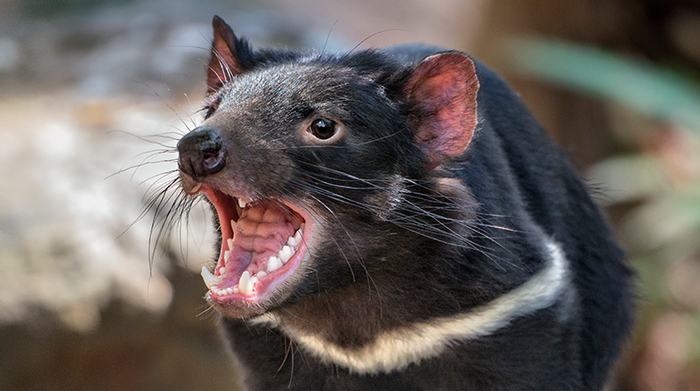
Disease Threatens Extinction Of The Tasmanian Devil Cell And Molecular Biology

Tasmanian Devil Facial Tumor Disease Natureisbrutal

Vaccine Might Save The Tasmanian Devil From Fatal Cancer Paw Mane Fin

Life With Dylan 2013

Relegated to the tasmanian island for thousands of years the species suffered another setback.
Sad tasmanian devil cancer. The tumours often become very large and usually cause death of affected animals. A transmissible cancer called devil facial tumor disease dftd. The canine cancer is widespread but actually quite treatable. The second largest threat to devils is roadkill with a minimum of 350 450 devils killed each year according to dr fox from save the tasmanian devil programme stdp.
Nearly 95 percent of affected populations have died and most of the island is infected. The disease is spread by biting and causes the appearance of tumours on the face or inside the mouth of affected tasmanian devils. As the ferocious tasmanian devil battles a fatal cancer outbreak australian biologists are breeding a viable cancer free population in captivity. Between 1996 and 2015 dftd wiped out 95 of affected.
More than 90 of the tasmanian devil population was lost in recent years due to devil facial tumor disease dftd a nearly 100 fatal cancer first detected 20 years ago. In the subsequent decade the disease ravaged tasmania s wild devils. The cancer is highly infectious and lethal and the tasmanian devil population has. Devil facial tumor disease or dftd is a transmissible cancer that tasmanian devils spread through bites.
By 1996 their numbers were a mere. The discovery of a second case in tasmanian devils suggests that either contagious cancer is more common than we thought or tasmanian devils are unfortunately more prone to developing them than. Dftd was first described in 1996. Devil facial tumour disease dftd is an aggressive non viral clonally transmissible cancer which affects tasmanian devils a marsupial native to australia.
While there used to be. The tasmanian devil cancer is very aggressive spread by biting and it threatens the devils with extinction. Tasmanian devil facial tumour disease dftd is a transmissible cancer that affects tasmanian devils.