Praying Mantis Eyes Turn Red

Praying Mantis Eyes How Many Eyes Does A Praying Mantis Have Praying Mantis

The Brown Praying Mantis Lifecycle Habitat Behavior And Benefits Pest Wiki
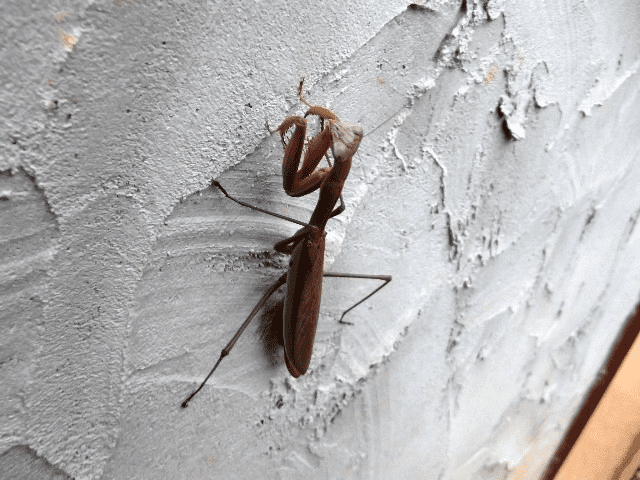
Appalachia Through My Eyes Praying Mantis Blind Pig And The Acorn

Orchid Mantis Pet Care

Pin By Paul Perciballi Ii On Invertebrates Orchid Mantis Red Orchids Praying Mantis

Gambian Spotted Eye Flower Mantis Our Breathing Planet Praying Mantis Gambian Seeing Black Dots
They rely on sight to hunt live animals.
Praying mantis eyes turn red. Adult praying mantis only covers 6 months of life. A mantis has to big compound eyes the ones you will easily notice. Did you know these things about them. Mantids can turn their heads 180 degrees to scan their surroundings with two large compound eyes and three other simple eyes located between them.
Mantises are ambush predators. A praying mantis is a fascinating insect. There is one condition an illness in which mantises get dark eyes. The secret weapon of the praying mantis is to take advantage of its normal color.
At night though their eyes turn completley black. Mantids have two eyes but only one ear. I have 2 praying mantises. The praying mantis gets red eyes sometimes when it it angry also nothing bad will happen to the mantis so you dont have to worry hope this helped.
You would think two would be enough right. I have them on my desk next to a bright house buld and every time the sun goes down i turnt he light on and their eyes turn black. However only the front portion of the mantis eye creates a high. The eye color probably changes to facilitate better vision for the mantis.
A praying mantis is harmless to humans but. Praying mantis eyes how many eyes does a praying mantis have. But they also have three smaller eyes located on the middle of their head. It is unclear how the pigmentation helps the mantis in its ability to see better.
Not for a mantis. A praying mantis has 5 eyes. Mantises with brown eyes like the dead leaf mantis deroplatys desiccata will develop completely black eyes in darkness. Praying mantis usually only last from spring to fall but can live as long as 1 year.
During the day their eyes are normal green color with the small black pupil. Praying mantis can grow 2 5 15 cm or 1 6 depending on the species. A praying mantis has two large compound eyes that work together to help it decipher visual cues. They are both females and are of different species.
Praying mantis has 5 eyes 6 legs 2 antennae and a triangular head. Green mantids hide in green foliage waiting for prey to wander into range.
