Groundhog Burrow Diagram

Groundhog Template Pdf Google Drive Groundhog Day Activities Preschool Groundhog Groundhog Day

Groundhog Day Groundhog Day Activities Groundhog Day Teaching

Pin On Kindergarten February

According To Legend If The Groundhog Comes Out Of His Burrow On February 2nd And Does Not See His Shadow Then Spring Will Co Groundhog Groundhog Day Wildlife
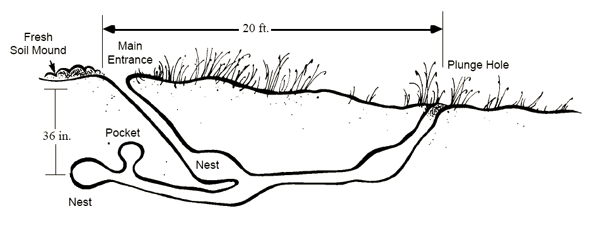
Woodchucks Wildlife Conflicts
Https Extension Entm Purdue Edu Publications Adm 16 Pdf
Control efforts should be carried out during early spring when active burrows are easy to ind the young woodchucks have not yet scattered and there is less likelihood of harm ing other wildlife.
Groundhog burrow diagram. The primary nest is usually located at the end of the main tunnel while auxiliary nests may be positioned anywhere in the tunnel system. The groundhog is also referred to as a chuck wood shock groundpig whistlepig whistler thickwood badger canada marmot monax moonack weenusk red monk and among. Ideally you want to install fencing before the woodchuck gets a taste of any because woodchucks can burrow under and climb over fencing you ll need to as shown in the diagram click image for larger version there will be 2 feet of. Underground watering systems and wiring is often damaged by the pests as they burrow.
Having groundhog holes in the lawn can cost property owners a lot of money. Problems caused by groundhog holes. The groundhog marmota monax also known as a woodchuck is a rodent of the family sciuridae belonging to the group of large ground squirrels known as marmots. In addition because groundhogs continuously dig they may indirectly damage underground.
It was first scientifically described by carl linnaeus in 1758. The main groundhog nest chamber is usually located at the end of the burrow. A pile of removed dirt is usually visible at the opening of the main tunnel. Groundhog burrows in your yard.
Control efforts should be carried out during early spring when active burrows are easy to ind the young woodchucks have not yet scattered and there is less likelihood of harm ing other wildlife. The multiple holes and tunnels created by groundhogs can be hazardous and result in ground instability in some areas. Groundhogs keep their burrows. If you begin to notice holes on your property a groundhog may be busy digging an underground burrow.
Groundhogs tend to their burrows regularly and they replace the leaf litter in the nests often. Adm 16 w animal damage management. Diagram of a typical woodchuck burrow. Woodchucks adm 16 w.
Diagram of a typical woodchuck burrow. Additionally the presence of woodchuck holes makes lawn care challenging. The best way to prevent a groundhog from burrowing under a structure on your property is to exclude it with a steel mesh fence. Typically they have a burrow in the woods for the winter and a burrow in grassy areas for the warmer months.
Woodchucks adm 16 w. Their burrow system is located about 2 4 feet underground and may extend 15 25 feet horizontally.