Cicada Shell On Tree Acnh

Acnh Cicada Shell How To Catch Price Animal Crossing Gamewith
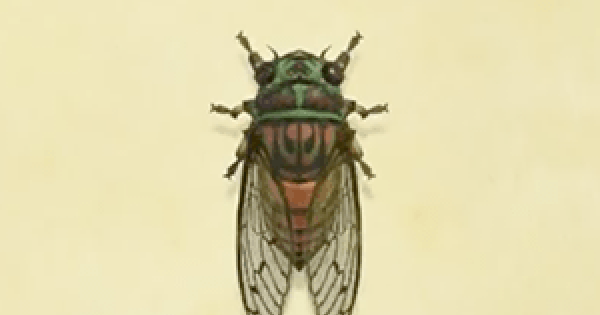
Acnh Evening Cicada How To Catch Price Animal Crossing Gamewith
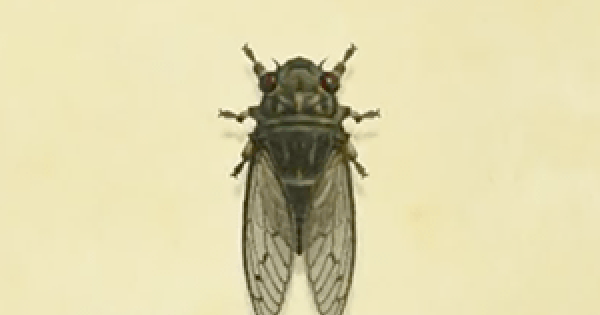
Acnh Walker Cicada How To Catch Price Animal Crossing Gamewith

Acnh Brown Cicada How To Catch Price Animal Crossing Gamewith
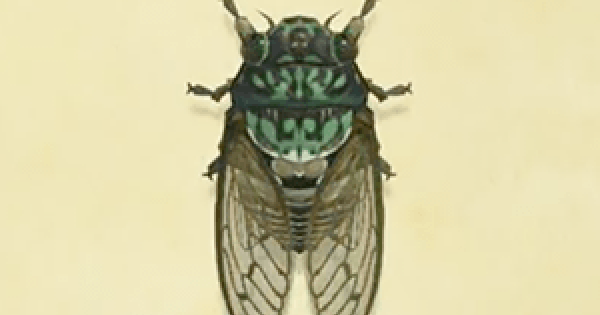
Acnh Robust Cicada How To Catch Price Animal Crossing Gamewith
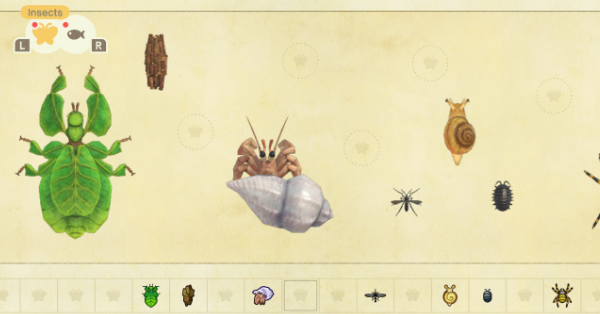
Animal Crossing New Horizons Bug Guide Complete List Of Bugs And Appearance Times For Acnh Game8
What months are cicada shells available in new horizons.
Cicada shell on tree acnh. On which trees do cicada shells spawn. A cicada shell セミのぬけがら semi no nuke gara is a bug that can be caught in animal crossing. It s just a shell of its former self new leaf the cicada shell セミのぬけがら semi no nukegara is the abandoned shell of an adult cicada and a new bug in new leaf. However it will disappear if a player uses an axe on or.
Cicada shells can be found on trees. In two separate instances once in july and once in august i flew to a trees mystery island and clear cut all but 3 trees. It can be found mounted to trees akin to beetles from july to august cicada shells cannot be scared off with a net or by running. I m dreading catching this bug ugh.
Jenesty 48 minutes ago 1. Animalcrossing acnh cicadashell nintendos. One of these new acnh bugs though it is actually not quite a bug at all is the cicada shell and this guide contains all of the details that players will need to catch this species for themselves. I found a cicada shell.
This video will show you how to find the cicada shell the weather condition and the months on each hemisphere. I have caught 4 of every beetle in the game and have gotten models of the supposed most rare bugs in the game and saw literally zero cicada shells so far. This is how to catch a cicada shell in acnh spawns. New leaf and animal crossing.
The player can run or walk past the trees without scaring the bug away. For more such tips to be the best player check out our acnh wiki guide right away. Is that a coincidence. Every site just says non palm trees but in every video i watch they catch it on a fruit tree.
When you catch this shell the message on the pop up will say i m glad the little guy came out of it so this is everything on how to catch a cicada shell in animal crossing new horizons. New horizons technically it is just the exoskeleton left behind by a cicada nymph making it the only bug in the game that is not living. Cicada shells can be found during july through august for the northern hemisphere and january through february for the southern hemisphere.
