Body Praying Mantis Bite Mark
All Is Fair In Insect Love And War Naturally Inspiring

The Brown Praying Mantis Lifecycle Habitat Behavior And Benefits Pest Wiki

Pin On Geek
Do Grasshoppers Bite Humans Quora
Is It Harmful If A Mantis Bites On My Plonker Quora

Walking Leaves Family Phyllidae Order Phasmatodea Leaf Insects Use Camouflage To Take On The Appearance Of A Leaf They Insetos Artropodes Animais Adoraveis
By 2007 only about 25 fossil species were known.
Body praying mantis bite mark. Fossils of the group are rare. Fossil mantises including one from japan with spines on the front legs as in modern mantises have been found in cretaceous amber. Which means unfortunately for their mates they may literally bite off their head and devour them. Most fossils in amber are nymphs.
These praying and dancing mantises have been captured by hasan baglar a 40 year old photographer from from limassol cyprus. Praying mantids overwinter as eggs in temperate regions. Clearly a praying mantis can bite its prey but when it comes to humans common sense seems to take over. The female praying mantis deposits her eggs on a twig or stem in the fall and then protects them with a styrofoam like substance she secretes from her body.
This forms a protective egg case or ootheca in which her offspring will develop over the winter. But it displays the deadliest behavior when it stalks its prey or when it is attacked or provoked by any predator including human. Praying mantises can be found almost anywhere from forests to deserts. Praying mantis mothers lay an especially large bunch of eggs which means they need a lot of food.
Compression fossils in rock include adults. People often ask this question whether praying mantis bites its pray or does it sting. The earliest mantis fossils are about 135 million years old from siberia. These insects a have a long body 2 to 5 inches in length depending on the species and are usually green or brown.
While a larger mantis won t bite you pretty much on principle a praying mantis that is less than 2 inches long physically can t bite you. The bite of a praying mantis. Most cultures associate stillness with praying mantises. Attacking something so much larger with provocation doesn t make any logical sense which is why bites are so rare.
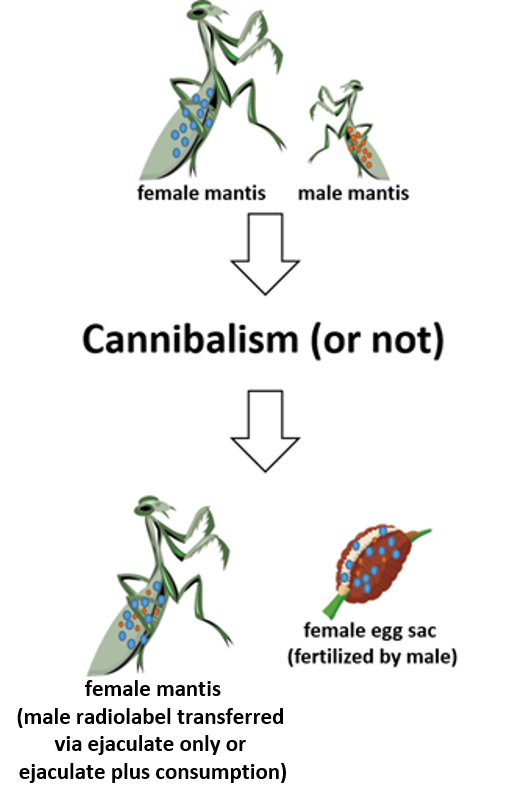
Uninterested in humans mantises have no known venomous species discovered so far. Other praying mantis symbolism includes awareness balance calm creativity intuition mindful and patience. The most common praying mantis color is green but it can range from brownish colors and tones to camouflage its body among its environment. The female praying mantis is known for cannibalistic mating behavior.
This behavior which occurs in less than 30 percent of all mating sessions in the wild may have evolutionary advantages for the praying mantis species. In other words a mantis is able to identify its typical food sources and preferred prey.
